Blog
Notes from the ether.
Classics in the age of AI: how to read, how to live. A new post every day.
How to Read More Books: A Realistic Plan for People With Jobs
How to read more books without speed reading or quitting your job: the 20-minutes-a-day math, where the time hides, and why quitting a book is allowed.ReadEarlier posts
- Brain science
The Dopamine Detox Myth: What Actually Happens in Your Brain
Does a dopamine detox work? Your brain can't flush dopamine, but the idea behind it isn't useless. What dopamine really does, and a version that makes sense.6 min - Reading the classics
10 Meditations Quotes by Marcus Aurelius, Explained for Real Life
Ten Marcus Aurelius quotes from the Meditations, in our new translation from the Greek, explained in plain English with what they mean for work, family, and bad mornings.6 min - Personal growth
Does Walking Help You Think? What a Stanford Study, Darwin, and Thoreau Agree On
Does walking help you think? A Stanford study found walking boosted creative ideas, but not every kind of thinking. Plus Darwin's thinking path and Thoreau.8 min - History
The Thucydides Trap, Explained: What an Ancient Greek War Says About the U.S. and China
The Thucydides Trap explained: what Thucydides actually wrote, Graham Allison's 16 cases, the critics, and why Xi Jinping raised it with Trump in 2026.7 min - About EtherXync
How We Translate Classics With AI: A One-Person Studio's Making-Of, Part 1
How one person and an AI built a free library of translated classics: who decides what, how the translation checks work, and the one word we argued over.6 min - Personal growth
Be the CEO of You, Inc.: Owning Your Decisions When AI Does the Work
How to be the CEO of your own life when AI drafts, researches, and recommends: what a fake-case lawsuit and Machiavelli teach about owning the final call.7 min




- The AI age
Why Reading and Writing Still Matter in the Age of AI (and What the Research Can't Tell Us Yet)
Why do reading and writing still matter when AI writes for us? What the OECD literacy data, a Microsoft survey, and a Harvard-BCG experiment show, honestly.8 min - How to read
Is It OK to Not Finish a Book? Why One Sentence Can Be the Whole Win
Is it OK to not finish a book? What Kindle highlights, Pew surveys, and Thoreau suggest about reading wins that never show up on a finished-books list.8 min - Life and work
How to Spot the Next Big Thing, According to a Korean Doctor Who Missed the First One
How do you spot the next big thing before everyone else? A famous 2008 lecture by Korean surgeon Park Kyung-chul, plus Thoreau and AI, on noticing change early.9 min - Self-management
How to Stop Procrastinating When You Already Know You Should
How to stop procrastinating, based on research: why it's a mood problem more than a time problem, and six small fixes that work better than another planner.6 min - Behavioral economics
7 Behavioral Economics Examples You Run Into Every Week
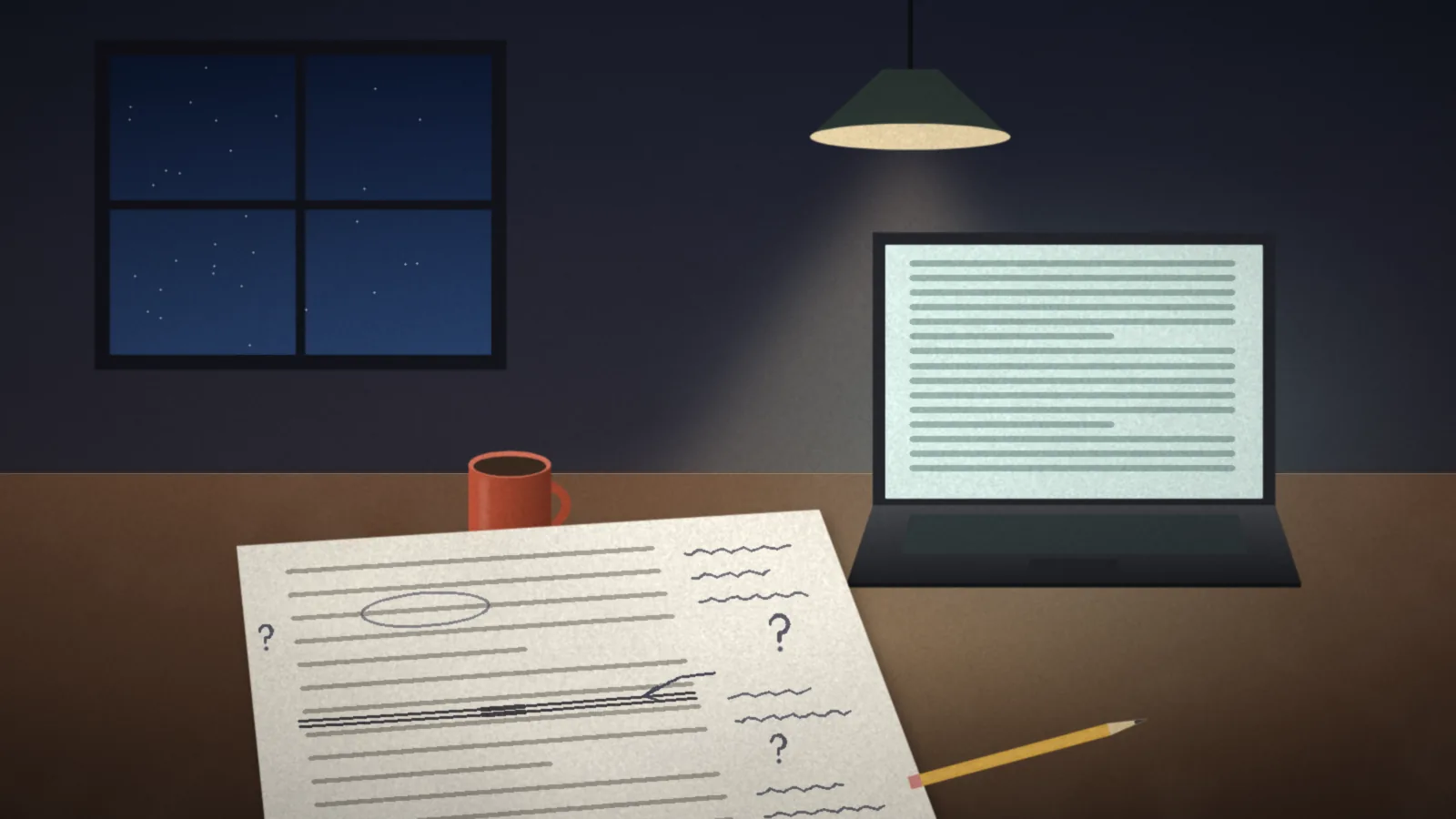
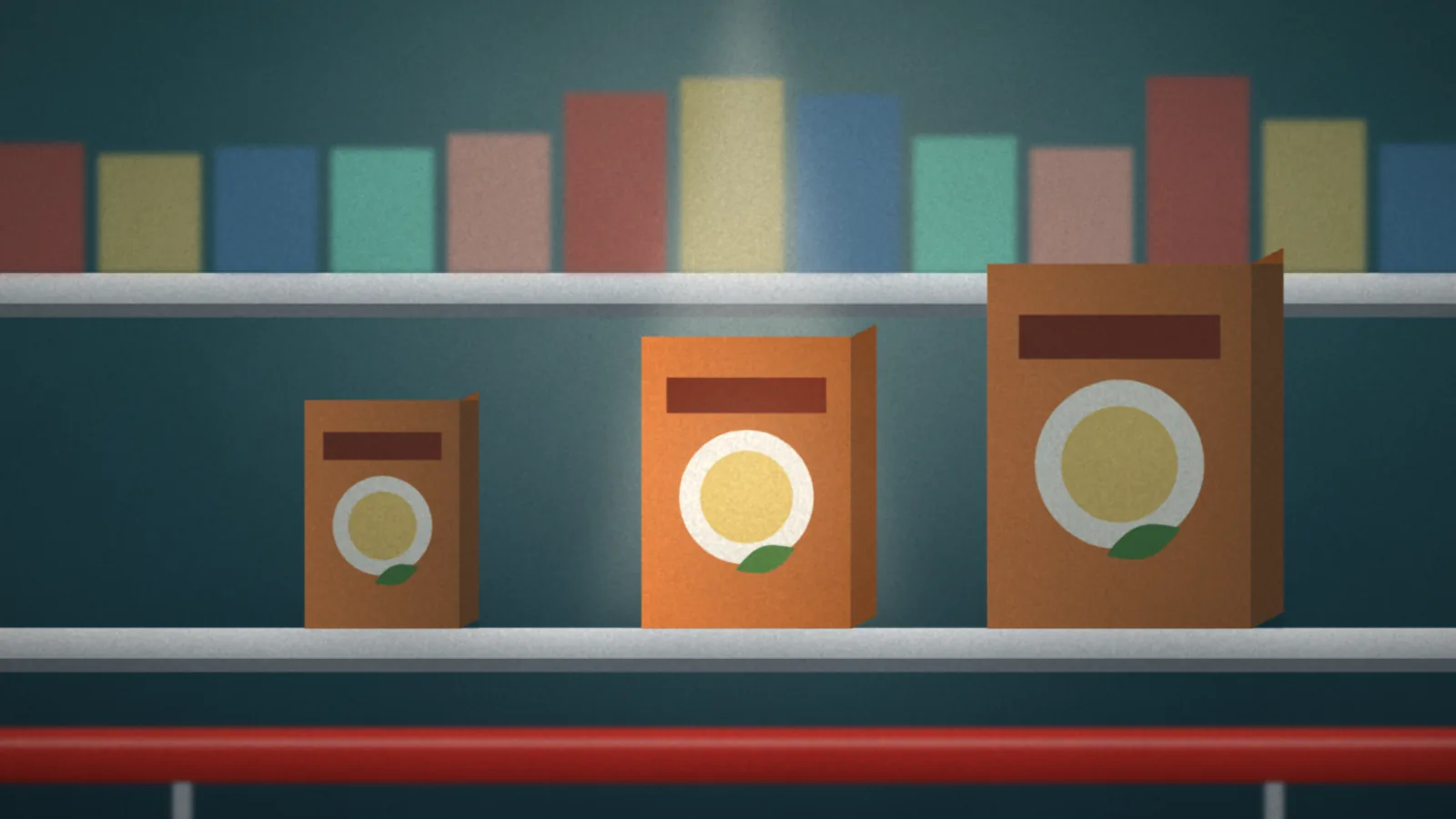
Behavioral economics examples from everyday American life: 401(k) defaults, "was $199" price tags, tax refunds, and the medium popcorn. What the research shows.7 min - Personal growth
How Long Does It Take to Form a Habit? Not 21 Days, and That's Good News
How long does it take to form a habit? Not 21 days. What the research actually found, why missing a day is fine, and how to build a habit that sticks.6 min